Why Crypto Prices Change and Why They Move So Fast

Crypto prices move fast, and they can drop half their value in a single week. You might check your phone at breakfast and see your coin up 10%, then watch it fall 15% before bedtime. It feels like a wild ride, but normal economic rules drive these fast moves.
Crypto prices go up and down because of simple supply and demand, mixed with fast news and smaller trading markets. When more people want to buy a coin than sell it, the price goes up. When everyone tries to sell at once, the price drops fast.
How Supply and Demand Set the Price Every Second
Every open market works on a simple idea. If 1,000 people want to buy a specific token but only 100 people want to sell it, buyers must pay more to get one. Sellers can demand higher payments because their coins are rare in that moment.
Think of it like buying fresh strawberries in winter. Strawberries are hard to grow when it is cold, so farms do not have many to sell. If lots of people still want strawberries for dinner, stores charge much higher prices. But in summer, farms grow millions of strawberries. The supply is huge, so stores drop the price to sell them all before they go bad.
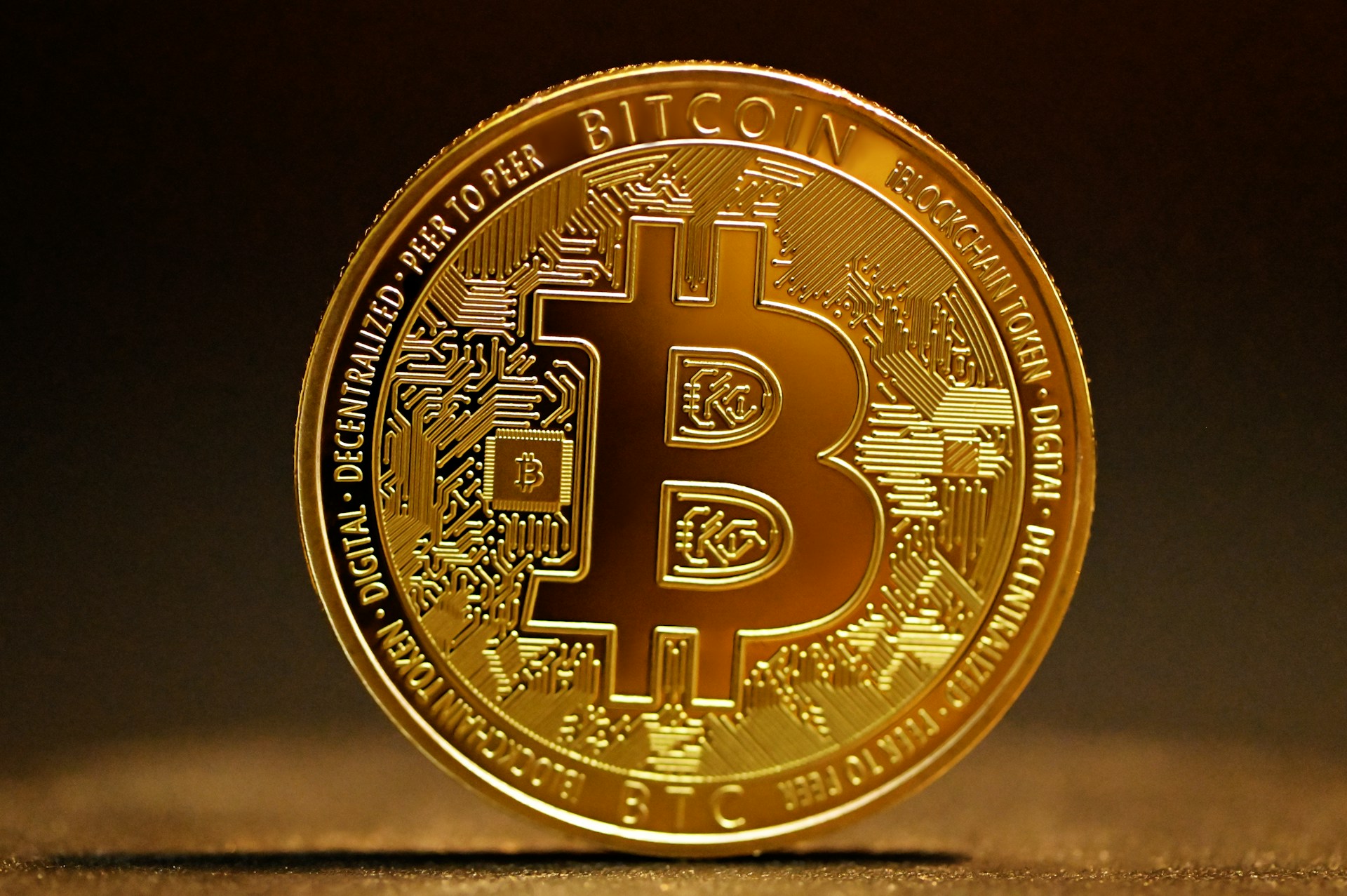
Crypto works the exact same way, but it happens online every second of the day. A project might create 21 million total coins, like Bitcoin does. Because no one can ever make more than that set number, the supply stays limited. If millions of new buyers join the market tomorrow, that fixed supply pushes prices up quickly.
On the other hand, some projects release billions of fresh tokens every single month. If supply grows much faster than buyer interest, each coin loses value. Always check how many coins exist before you buy anything.
Why News and Social Media Cause Fast Price Drops
Mainstream stock markets close on weekends, but crypto markets never sleep. News spreads across phone screens in seconds, and traders react without taking time to think. A single post from a popular public figure can trigger millions of dollars in buys or sells within ten minutes.
Good news makes people fear missing out on big gains. When a major company says it will accept a token for payments, thousands of regular people rush to buy that token right away. This sudden wave of purchases pushes the ticker higher fast. But bad news creates the opposite reaction. If a government hints at new strict tax rules, nervous owners panic and sell everything at once.
Fear moves prices down much faster than hope moves them up. In May 2021, broad market fear wiped out over 30% of the total crypto market value in just a few days. People saw their screen balances shrinking and sold immediately to stop their losses. That mass panic created a mountain of sell orders with very few buyers on the other side.
When you read a wild story on social media, remember that hype fades. Buying a coin just because it trends on your phone screen is very risky. Always pause and look for real facts before moving your cash.
How Big Traders Move Small Markets
Compared to old stock markets, the crypto world is still quite small. Huge banks hold trillions of dollars in traditional stocks, which keeps those prices fairly steady day to day. A ten million dollar trade hardly shifts the price of a massive company like Apple or Microsoft.
In crypto, a single rich trader can change the price of a coin in five minutes. People in the industry call these wealthy buyers whales. If a whale decides to cash out millions of dollars from a smaller token, there are not enough normal buyers to take those coins at the current cost. The price must drop until it finds new buyers at a lower level.
Here is how a real trade looks on an exchange when a whale acts:
- A whale puts up 5,000 coins for sale all at once.
- The highest buyer on the market only wants 50 coins at $10 each.
- The whale's order fills that small request, then eats through lower bids at $9.90, $9.50, and $8.80.
- Within seconds, the screen says the coin is now worth only $8.80.
Smaller altcoins suffer from this problem every day because they lack deep liquidity. Liquidity just means how much easy cash sits ready in the market to absorb big trades. Less liquidity means bigger price swings on your screen.
The Hidden Risk of Borrowed Money in Trading
Many fast crashes happen because of something called use. Use means borrowing extra cash from an exchange to make bigger trades. A person with $1,000 might borrow extra funds to place a $10,000 trade, hoping for ten times the profit.
Borrowed money sounds great when prices rise, but it turns deadly when prices drop. If the market goes against a leveraged trade by even a small percentage, the exchange automatically sells the trader's coins to get its borrowed money back. This automated sale is called a liquidation.
When thousands of traders use use at the same time, a tiny drop triggers a chain reaction. One liquidation pushes the price down slightly lower. That lower price triggers five more liquidations, which push the price down even further. This domino effect can knock 20% off a coin's price in under one hour.
Understanding these sudden drops helps you protect your funds. If you want to store your assets safely outside of fast-moving exchanges, learn How a Crypto Wallet Works to Protect Your Money before you make big trades. Holding your own keys keeps your real funds out of forced exchange sell-offs.
How Government Regulations Change Market Value
Laws and government rules play a huge role in price changes. When countries create clear legal guidelines, big business feels safer spending money on digital assets. Good laws act like a green light for large investment funds that handle pension money for millions of workers.
For example, when major financial regions approve spot fund products, thousands of traditional investors gain a safe way to enter the market. That fresh cash creates steady, long-term buying pressure. Higher demand over many months helps support prices even when short-term news is noisy.
However, harsh crackdowns do the opposite. If a country bans trading apps or blocks bank transfers to crypto sites, local buyers suddenly cannot get their money into the market. Demand shrinks overnight, while worried users try to get their cash out before doors close. That loss of real demand drags prices down across the world.
You can stay informed by reading about basic market structures on our crypto basics news hub to see how global laws impact daily trading. Tracking real news beats guessing why a chart moved up or down.
Smart Ways to Think About Price Moves
Price volatility is simply part of how digital assets work today. High risk and high price swings go hand in hand, so never spend money you need for rent, groceries, or emergencies. Expect wild moves every week, and never assume a coin will go back to its old high point.
If you want to reduce your stress during big swings, consider spreading your purchases out over time. Buying a small fixed amount every month means you buy some when prices are high and some when prices are low. This simple strategy stops you from putting all your cash in right before a giant market drop.
Also, keep your expectations realistic. No chart moves up in a straight line forever. Every bull market has sharp corrections along the way where prices fall 20% or 30% in a couple of days. Expecting those dips keeps you from making panic trades when your portfolio turns red.
Are you ready to watch the market with a calm mind, or will the next 10% drop make you want to sell everything? Knowing why the numbers change helps you make clear decisions instead of acting on pure fear.
Labels: crypto basics, crypto trading, crypto-basics, market price, price charts, volatility
posted by Krypticrypto @ November 23, 2026
0 Comments


0 Comments:
Post a Comment
Subscribe to Post Comments [Atom]
<< Home